

Cold weather can put extra strain on your vehicle, particularly its battery, tyres and essential fluids. Knowing how to prepare your car for winter can help you identify potential problems before they affect your journeys.
Whether you drive a petrol, diesel, hybrid or electric car, a few practical checks can make a difference when temperatures fall. From checking tyre condition to ensuring your lights and heating work properly, this guide covers the essentials of winter car maintenance and when professional attention may be needed.
What Should You Check Before Winter Arrives?
The most effective way to prepare your vehicle for colder weather is to check the components most affected by low temperatures, poor visibility and slippery roads.
Your winter car checklist should include:
Tyre tread depth, condition and pressure
Battery condition and starting performance
Engine coolant and antifreeze
Windscreen wipers and screenwash
Exterior lights and visibility
Brakes, heating and demisting systems
These checks can help highlight maintenance needs before winter conditions make them more noticeable.
Check Your Tyres For Winter Road Conditions
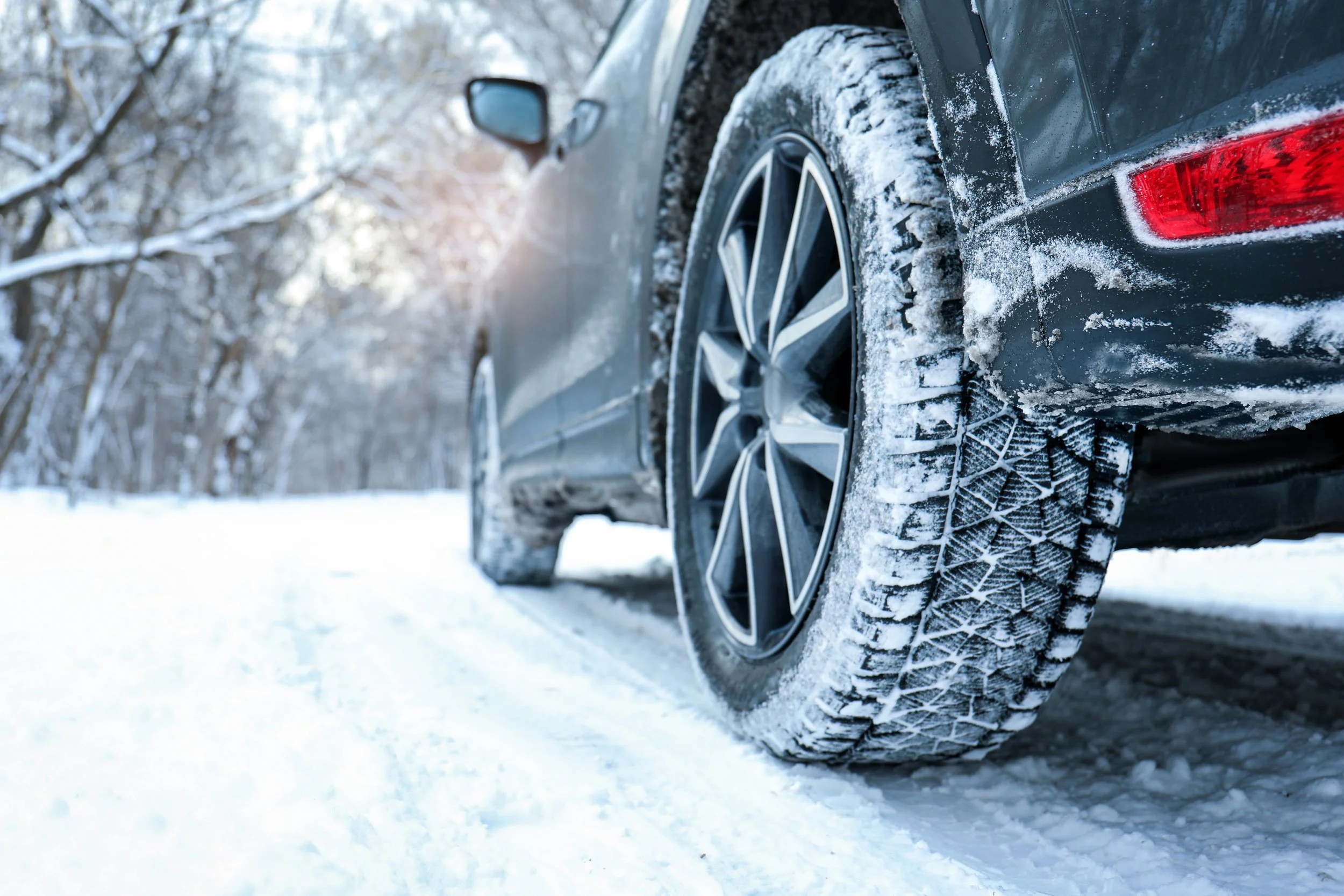
Tyres are particularly important during winter because wet, icy and slippery roads reduce grip.
The UK legal minimum tread depth for most cars is 1.6mm across the central three-quarters of the tyre, around its entire circumference. However, tyres approaching this limit may provide less grip in challenging conditions.
Check for uneven wear, cuts, bulges and embedded objects. Tyre pressure should also be checked when the tyres are cold, using the manufacturer's recommended figures.
If you regularly drive on untreated rural roads, suitable winter or all-season tyres may be worth considering.
Make Sure Your Battery Is Ready For Colder Weather
Low temperatures can reduce battery performance, while starting a cold engine places additional demands on the electrical system.
Common warning signs include:
Slower engine cranking
Difficulty starting
Flickering or dimming lights
Battery-related dashboard warnings
If your vehicle has shown these symptoms, a professional battery and charging-system assessment can help identify the cause.
Electric and hybrid vehicles also require winter preparation. Cold weather can reduce driving range and affect charging performance, so checking your vehicle's battery information and planning journeys accordingly is worthwhile.
Inspect Your Coolant, Antifreeze & Essential Fluids
Understanding how to prepare your car for winter also means checking that your vehicle's fluids are suitable for freezing temperatures.
Engine coolant contains antifreeze to help protect the cooling system. When the engine is completely cold, check that the coolant level sits between the recommended markings.
Avoid opening the coolant reservoir while the engine is hot, and never mix incompatible coolant types.
Other important checks include:
Engine oil: Check the level and follow the manufacturer's recommended oil specification.
Screenwash: Use a winter-suitable product that provides appropriate freeze protection.
Brake fluid: Ensure servicing and replacement intervals follow manufacturer guidance.
Repeated fluid loss or visible leaks should be investigated rather than continually topping up.
Keep Your Windscreen, Lights & Heating Working Properly
Winter often brings darker mornings, heavy rain, condensation and frost, making visibility essential.
Inspect your windscreen wipers for splits, streaking or poor contact with the glass. Replace worn blades before they become a problem.
Check that headlights, brake lights, indicators and fog lights work correctly, and clean the lenses regularly.
Your heating and demisting systems also deserve attention. If the windscreen takes unusually long to clear or the heater produces little warmth, there may be an underlying issue.
Never drive until your windows and mirrors provide a clear view of the road.
Pay Attention To Brakes & Unusual Vehicle Behaviour
Winter conditions can make existing mechanical problems more noticeable.
Listen for grinding or squealing brakes, and pay attention to unusual vibrations, pulling when braking or changes in pedal feel.
Warning lights, fluid leaks and unexpected performance changes should not be ignored. Some symptoms require prompt professional assessment, particularly those affecting braking or vehicle control.
At Greencars Ltd, our experience in vehicle servicing, repairs and diagnostics helps us investigate concerns and explain what attention your vehicle may need.
Prepare An Emergency Kit For Winter Journeys
Even a well-maintained vehicle can be affected by unexpected weather or road closures.
Consider keeping warm clothing, a torch, a phone charger, a high-visibility jacket and drinking water in your vehicle. For longer journeys, a blanket and suitable footwear can also be useful.
Before travelling in severe weather, check forecasts, road conditions and whether your journey is necessary.
Frequently Asked Questions
-
Yes. Cold temperatures can increase fuel consumption because engines take longer to reach their normal operating temperature. Using heated windows and other electrical features can also increase energy demand. Keeping your vehicle properly maintained and avoiding unnecessary idling can help improve efficiency.
-
Yes. Air conditioning can help remove moisture from the air inside your vehicle, making it easier to clear condensation from the windows. Using it regularly can also help keep the system operating correctly throughout the year.
-
Yes. Road salt can contribute to corrosion, particularly on exposed metal components underneath your vehicle. Washing your car regularly during winter, including the wheel arches and underside where practical, can help remove salt deposits.
-
In very cold conditions, moisture around certain parking brake components can freeze, potentially causing them to stick. Follow your vehicle manufacturer's parking instructions rather than leaving the parking brake off without a safe alternative. Electronic parking brake systems may have different requirements.
-
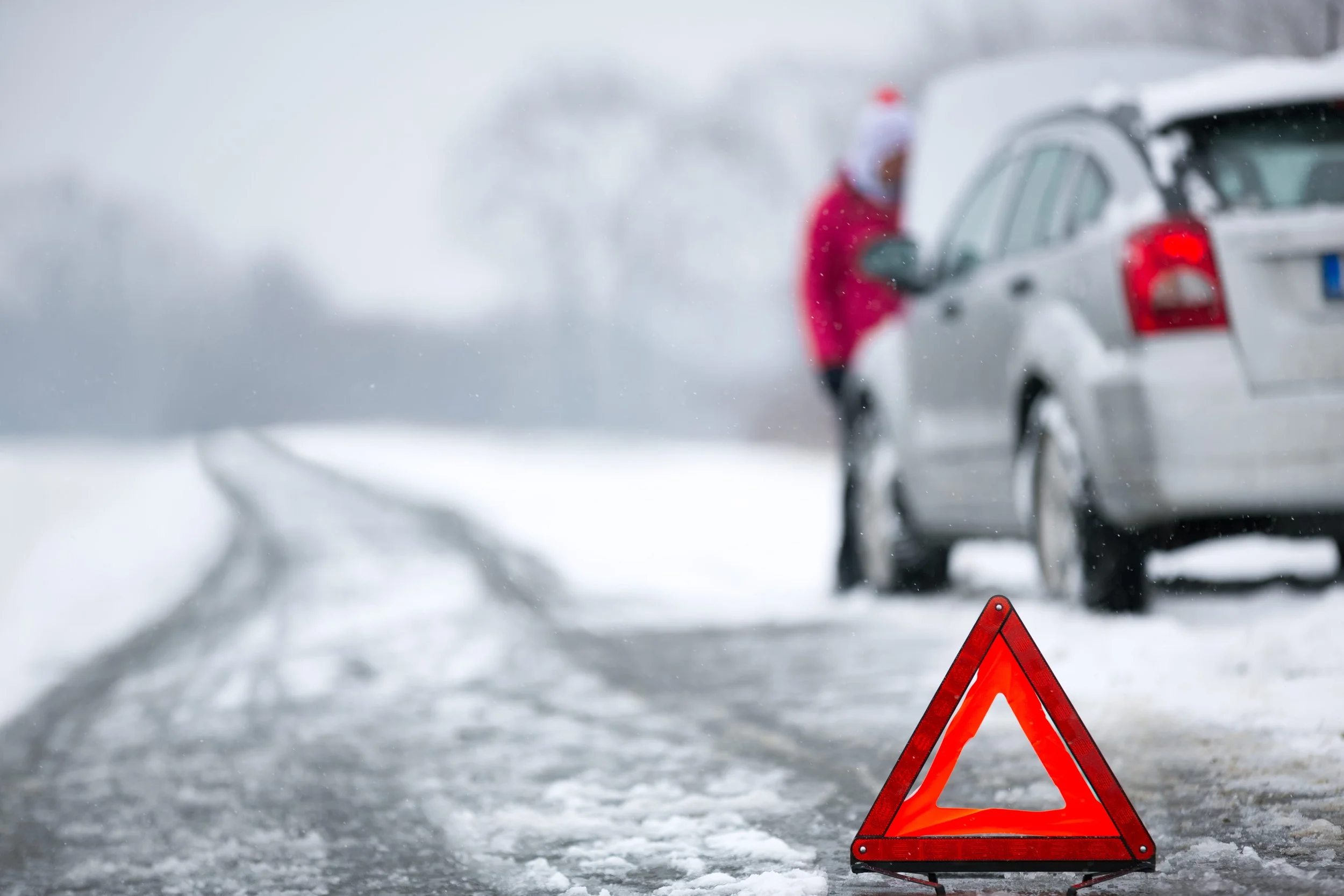
Move somewhere safe if possible, switch on your hazard warning lights when appropriate and contact a breakdown provider. If you are stranded in dangerous conditions, prioritise your safety and follow emergency service advice. Avoid attempting repairs at the roadside where visibility or traction is poor.
Get Your Car Ready For The Colder Months
Knowing how to prepare your car for winter is a useful starting point, but not every potential problem is visible during a home inspection.
If you are concerned about your vehicle's condition before colder weather arrives, our team can help with servicing, maintenance and fault diagnosis. Based in Wendlebury, near Bicester, we combine dealership experience with the personal approach of an independent garage.
Explore our car maintenance services or contact our team to discuss any concerns before winter sets in.
